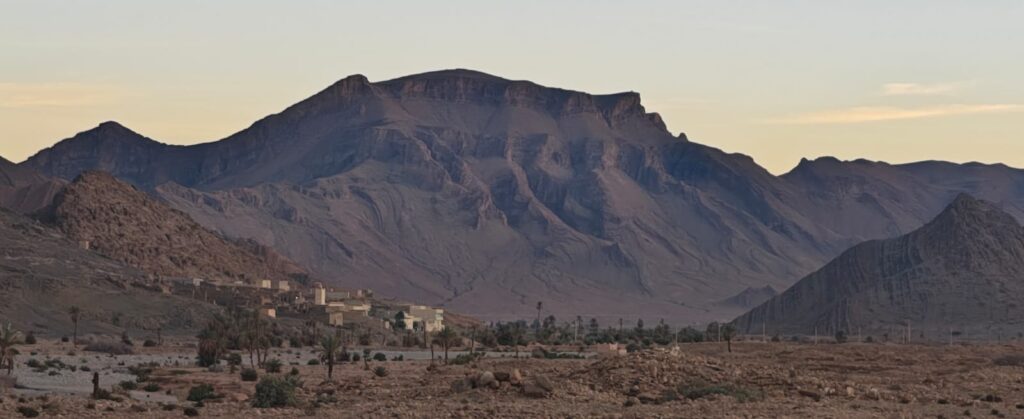
Few landscapes on earth tell a geological story quite like Morocco’s Anti-Atlas Mountains. On a recent fieldwork expedition, our team spent time on the ground following the geology and exploring one of Africa’s most historically significant mineral belts.
One of Africa’s Oldest Rock Sequences
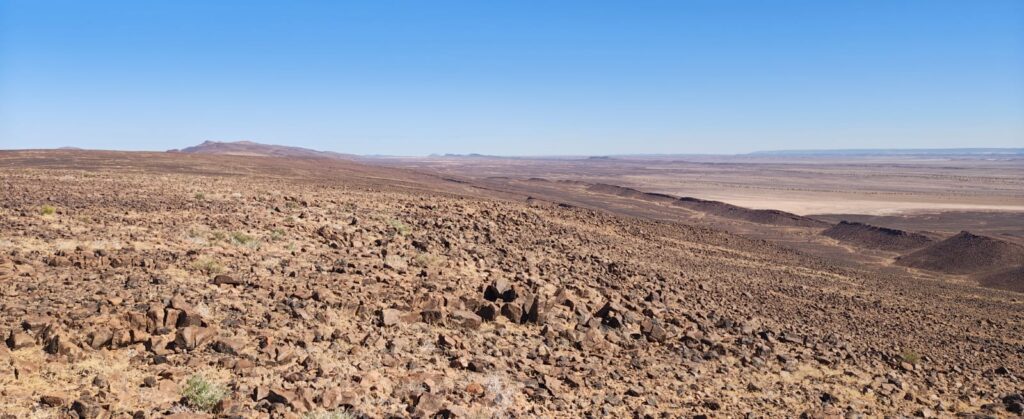
The Anti-Atlas exposes some of Africa’s oldest rocks directly at surface. These Precambrian and Paleozoic sequences have been brought up and laid bare by the same tectonic forces that built the mountains themselves.
For exploration geologists, that’s a significant advantage. It allows direct observation, sampling, and mapping of geological units that, in other parts of the world, require expensive drilling to reach.
How Tectonic Collision Creates the Conditions for Mineralization
The Anti-Atlas formed through the slow convergence of tectonic plates over hundreds of millions of years. As these plates collided, rocks were folded, faulted, and compressed, creating the linear ridges visible in the landscape today.
That same process of deformation is directly linked to metal deposit formation. When rocks are faulted and fractured, they create pathways for hydrothermal fluids: hot, metal-rich water moving through the crust. As those fluids cool and react with surrounding rock, metals like silver, copper, lead, and zinc precipitate out and concentrate into ore deposits.
What Fieldwork Actually Looks Like
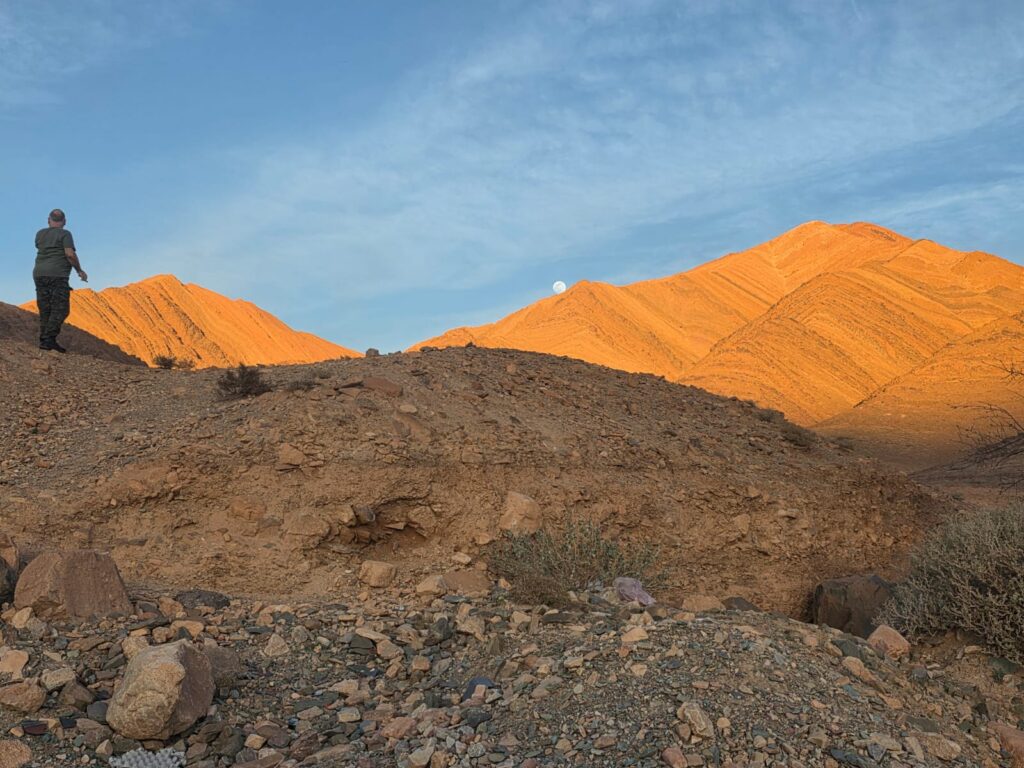
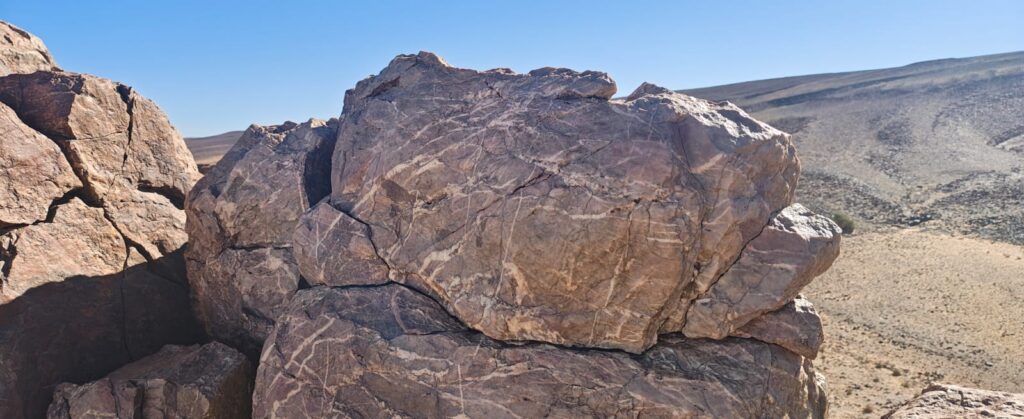
Our recent team’s fieldwork in Morocco involved identifying rock types and their contacts, noting structural features like faults and folds, and collecting samples for laboratory analysis. Over time, those data points build a picture of where mineralization is most likely to occur and why.
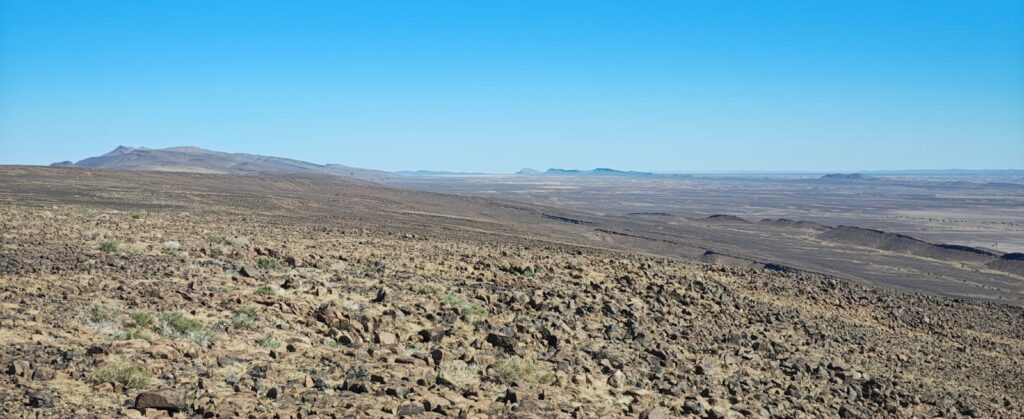
The photographs from the trip capture hundreds of millions of years of earth’s history, compressed into the ridges and valleys you see stretching toward the horizon.
The Long View
Morocco offers a combination of attributes that attract serious mineral explorers. The Anti-Atlas belt, in particular, has seen an increased exploration interest as demand grows for silver and base metals tied to electrification and industrial applications. For companies willing to do the foundational geological work, the region continues to offer immense discovery potential.
The Anti-Atlas Mountains have been forming for hundreds of millions of years. Finding what they contain requires patience and the right expertise on the ground.
Our team is doing exactly that work in Morocco. We’ll continue sharing what we find.