Addana Project
Ag – Pb
Location
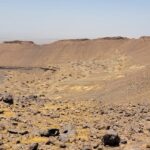
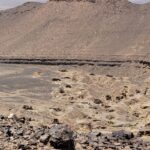
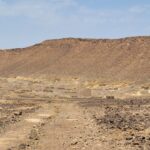
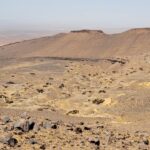
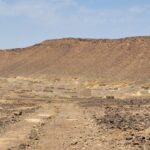
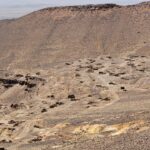
Addana Mountains, Tata Province, Southern Morocco
Property size
112 km² across seven exclusive prospecting permits
Status
Active exploration – Drill program ongoing
Key Highlights
Surface samples returning up to 564 g/t silver, 24.8% lead, and 5.3% zinc
High-grade silver-lead mineralization with broader polymetallic potential across a 40 km structural corridor
Drill-ready targets defined through systematic mapping, sampling, and structural analysis
Veins detectable on satellite imagery across 40 km of strike length
Accessible via established regional road infrastructure
Geology
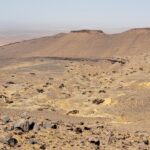
The Addana Project lies within the Precambrian to Palaeozoic terranes of Morocco’s Anti-Atlas belt, a structurally complex region characterized by folded and faulted sedimentary sequences known to host structurally controlled silver, lead, and zinc mineralization.
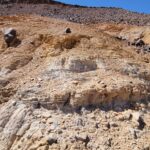
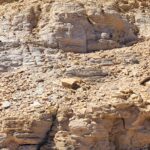
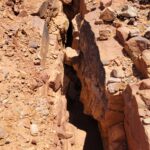
At Addana, mineralization is interpreted to occur along sub-vertical fault structures and brecciated zones cutting through volcanic and sedimentary host rocks. The Addana Range was formed by an anticlinal fold in the Bani series of quartzites and schists of Ordovician age, and the project hosts silver and lead-bearing polymetallic quartz-calcite veins distributed across the fold system. Surface mapping has identified quartz-carbonate veining and sulphide-bearing structures consistent with epithermal to polymetallic vein systems observed elsewhere in the district.
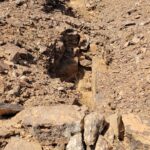
Alteration patterns, structural orientations, and geochemical signatures suggest a multi-phase hydrothermal system with the potential for vertical and lateral continuity. The veins vary in length from 15 metres to 2.5 km and are generally approximately 40 cm thick, several interpreted as potentially amenable to bulk open pit mining methods.
Ongoing geological mapping, geophysics, and geochemical sampling continue to refine drill targets designed to test both high-grade shoots and broader structural corridors.
Discoveries
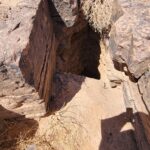
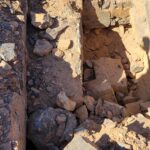
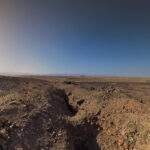
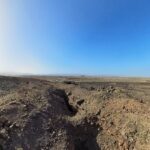
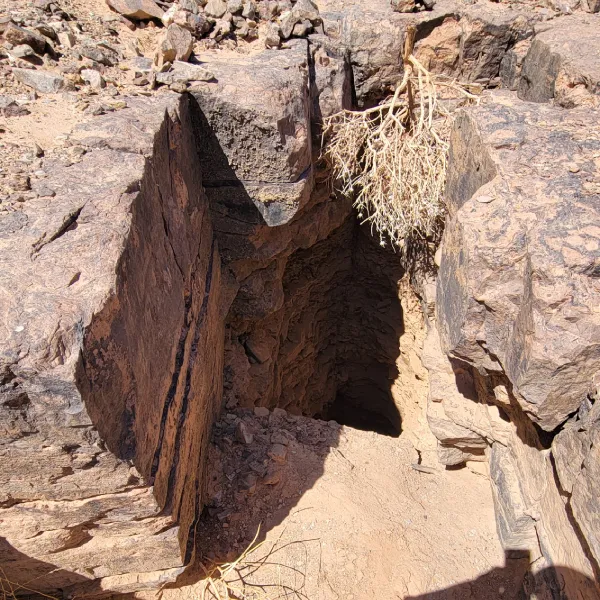
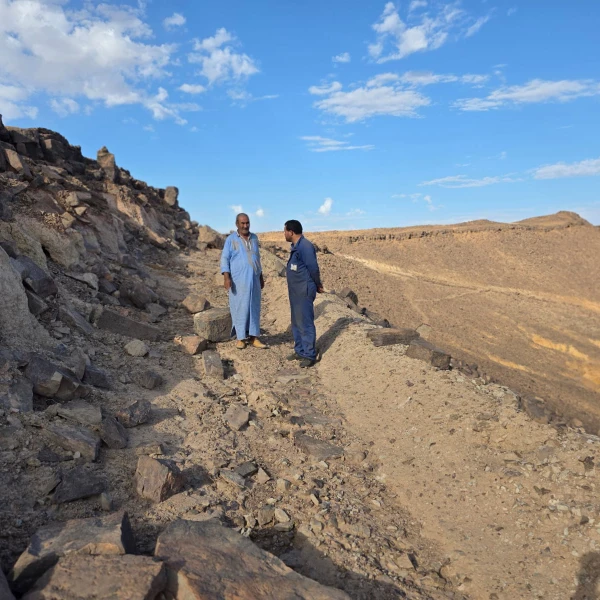
Exploration at Addana has identified several mineralized zones defined by historical workings, surface sampling, and structural mapping. The district has seen lead and silver mining for hundreds of years, with archaeological evidence of ancient workings distributed across the property.
Initial sampling programmes have confirmed high-grade silver values at surface, with mineralization traced across multiple parallel structures. The veins can be detected on satellite imagery over an area exceeding 40 km of strike length, providing an unusually clear picture of the structural system at surface.
Several priority targets have been defined for drill testing based on structural intersections, alteration intensity, and geochemical anomalies. Addana represents a discovery-stage opportunity within a proven district, with systematic modern exploration only just beginning.
2026 Drill Campaign
The Company’s inaugural drill program at Addana is designed to test the continuity of high-grade mineralization at depth, the strike extensions of mapped structures, and untested geophysical anomalies interpreted as potential feeder zones.
12 holes (2,160m)
Total Holes
150-200m per hole
Hole Depth